 1 / 3
1 / 3Aplicação de cola em fogões


Hardware Price:
Automating Glue Application on Stove Components with Collaborative Robots: Precision and Repeatability
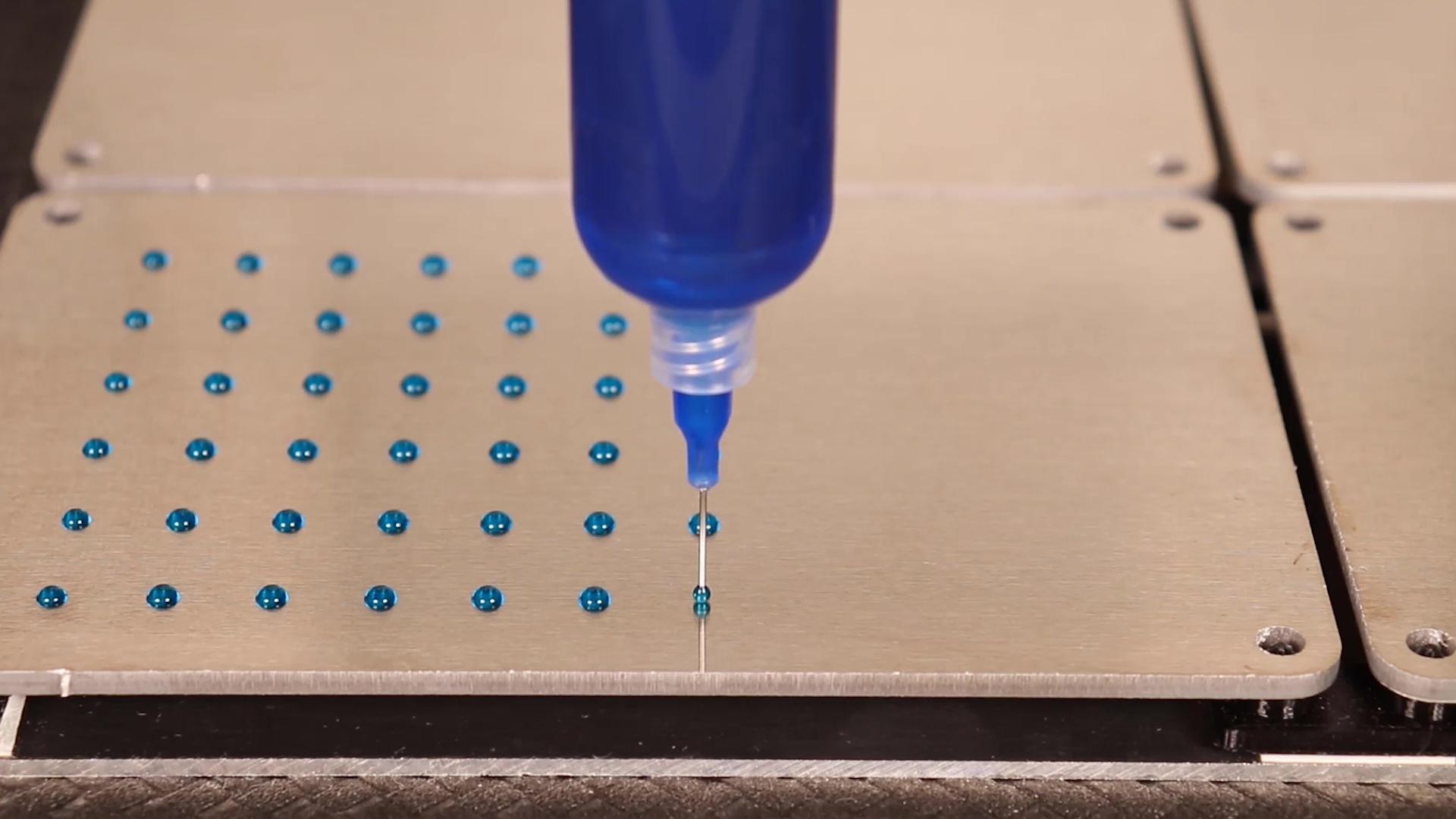
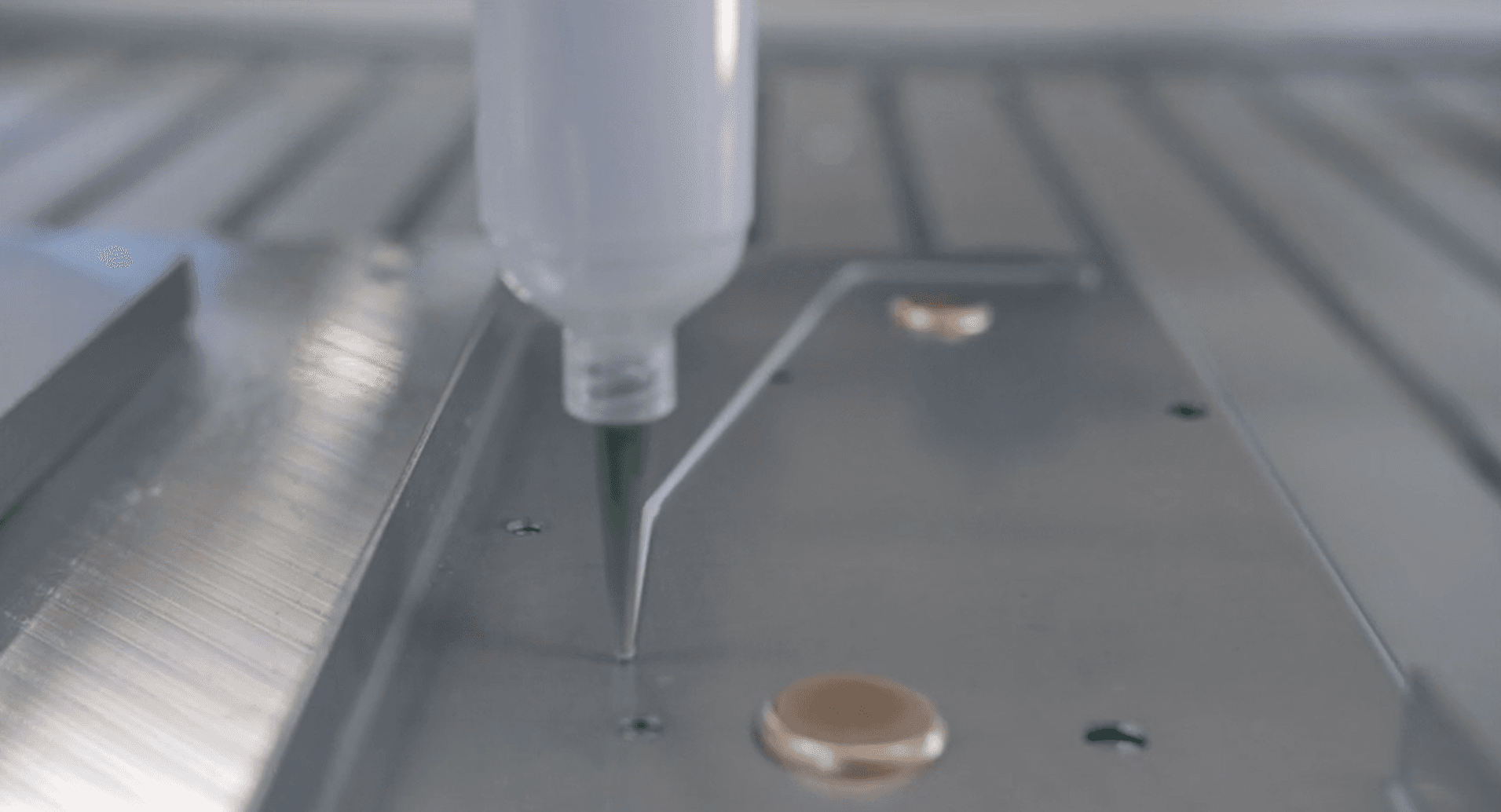
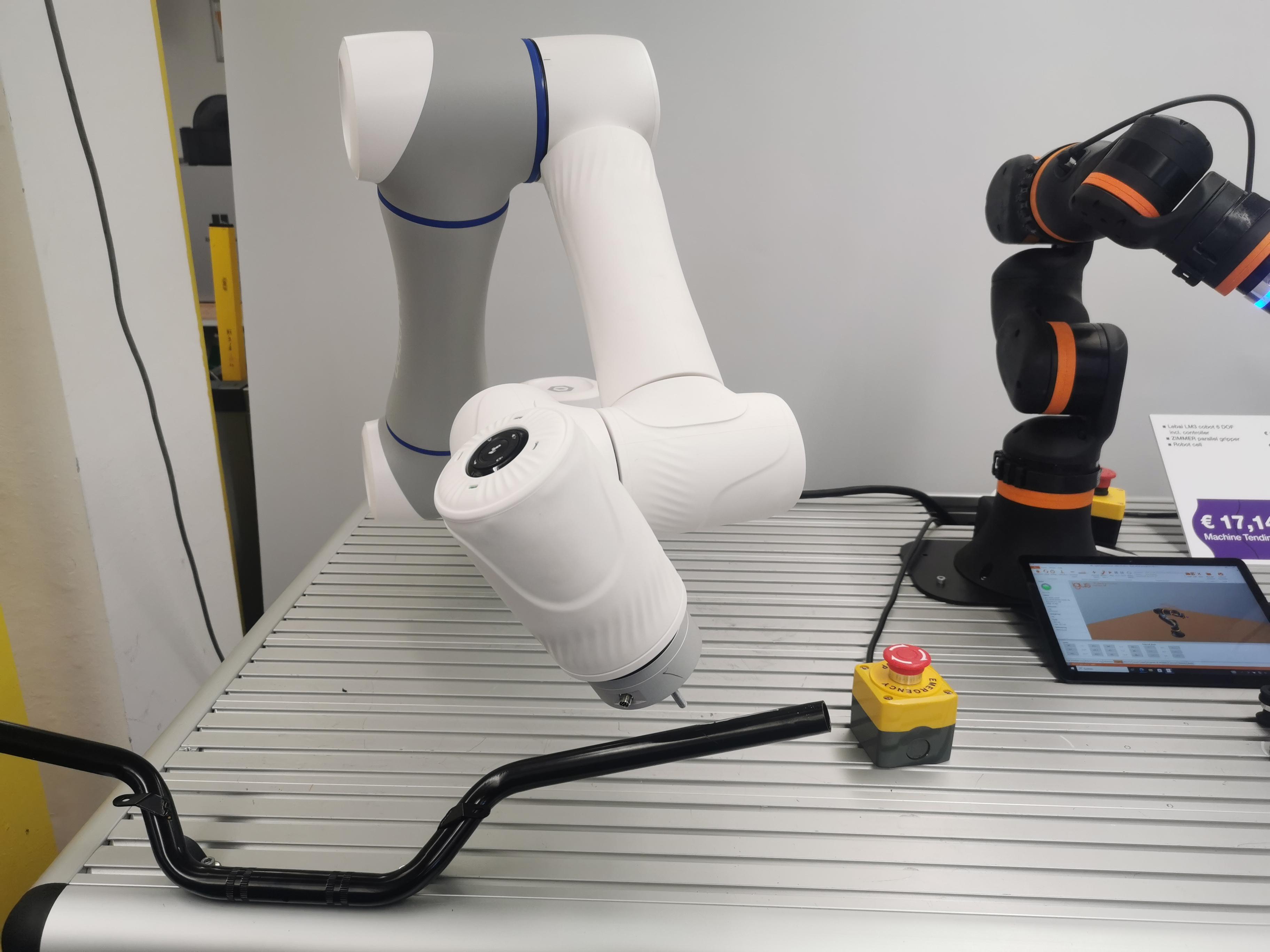
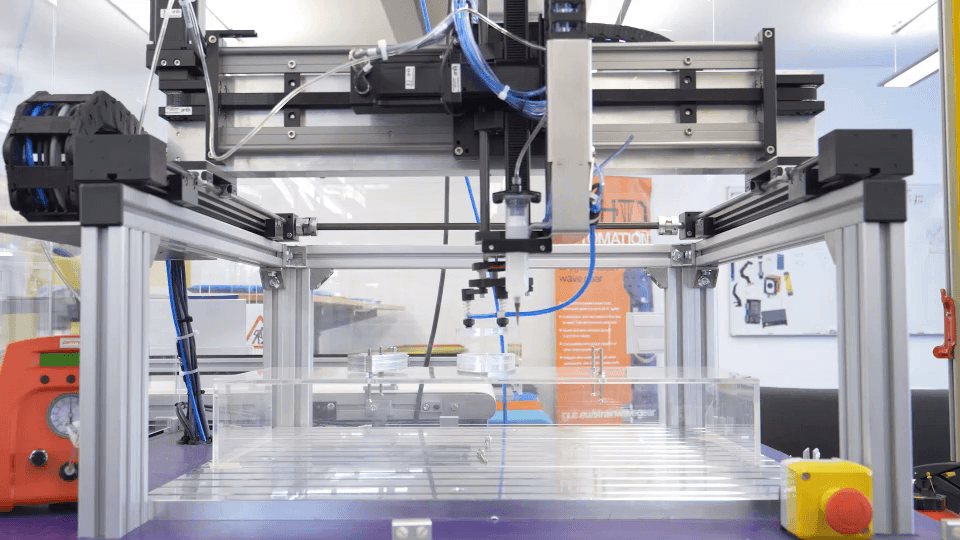
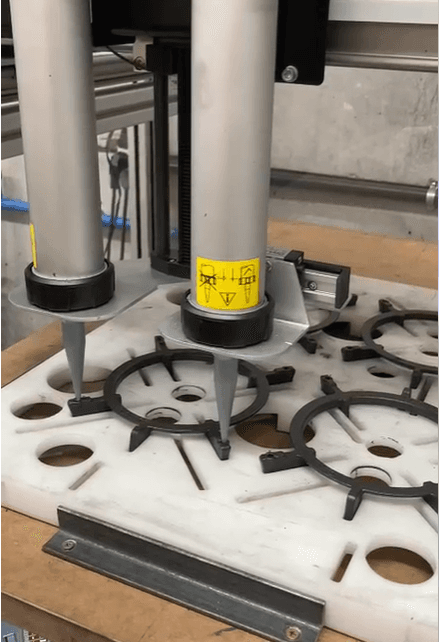
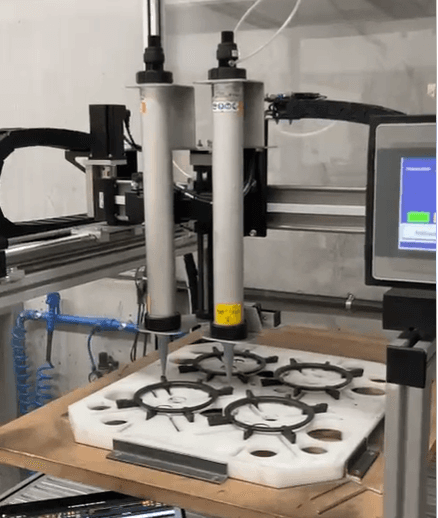
In this application, a collaborative robot (cobot) was implemented to automate the glue application process on stove components, such as fixing grates and burners.
Previously performed manually, this task required high repeatability and fine control, and was prone to human variation, material waste, and rework.
With automation, the process now benefits from better dosage control, higher application precision, and standardization, reducing defects and ensuring a superior finish. As a result, productivity increased, operational costs decreased, and a fast return on investment (ROI) was achieved.
What is the application?
The cobot automates the application of glue at specific points on stove grates/burners, ensuring uniform and consistent dispensing, eliminating variations from the manual process and improving the final product quality.
What are the advantages of the solution?
– Increased efficiency: Continuous and standardized process with minimal human intervention.
– Waste reduction: Precise control of the amount of glue applied.
– Quality improvement: Uniform application, avoiding defects such as excess or insufficient material.
– Reduced rework: Fewer defects and greater consistency in the final product.
What are the advantages of the robot?
The collaborative robot offers the following benefits:
– High precision: Accurate application even on complex geometries such as grates and burners.
– Repeatability: Maintains the same standard across all production cycles.
– Flexibility: Easy adaptation to different stove models or part layouts.
– Safety: Can operate alongside workers in shared environments.
Optimization of Production Processes with Collaborative Automation
By automating glue application, the cobot transforms a critical and sensitive process into a controlled, efficient, and reliable operation.
This solution enables the home appliance industry to increase competitiveness by ensuring consistent quality, lower production costs, and higher operational efficiency, keeping up with the demands of modern manufacturing.
3 Components